
Understanding psychological triggers in gambling behavior
The Nature of Psychological Triggers
Psychological triggers in gambling behavior refer to various stimuli that influence a player’s decision-making processes. These triggers can be both external, such as the ambiance of a casino or the sounds of slot machines, and internal, such as personal emotions or thoughts. Understanding these triggers is essential, as they can lead individuals to engage in gambling activities that may not align with their financial or emotional well-being. For instance, when exploring different platforms, Casoola casino provides insights into how these influences can affect players’ experiences. By recognizing these influences, players can better manage their gambling habits.
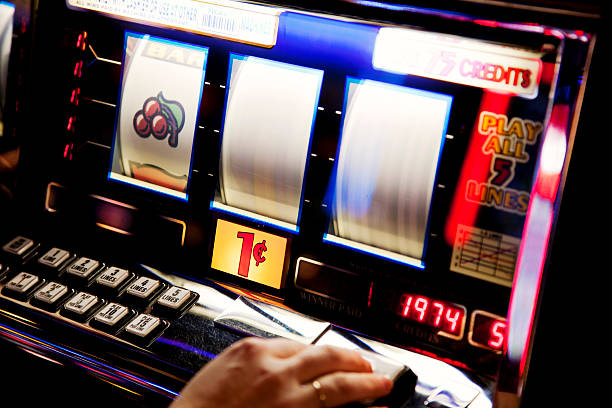
Many psychological triggers stem from the basic principles of human psychology, including reward systems and cognitive biases. For instance, the excitement of winning can release dopamine in the brain, reinforcing the behavior and encouraging players to gamble again. Additionally, cognitive biases, such as the illusion of control, can lead individuals to believe they have more influence over outcomes than they actually do. This false sense of control can result in increased gambling, especially when players perceive they are close to a win.
Moreover, social influences can act as powerful psychological triggers. The presence of friends or peers engaging in gambling can create a sense of community and acceptance, further encouraging individuals to participate. This social reinforcement plays a significant role in shaping gambling behaviors, as individuals often seek validation and acceptance from their peers. Thus, understanding the multifaceted nature of psychological triggers is crucial for recognizing patterns in gambling behavior.
The Role of Emotions in Gambling
Emotions are deeply intertwined with gambling behavior, acting as both a motivator and a deterrent. Players often gamble to escape negative emotions such as stress, anxiety, or depression. The thrill of gambling may provide temporary relief from these feelings, creating a cycle where individuals return to gambling as a coping mechanism. Recognizing this emotional connection is vital, as it can lead to unhealthy gambling habits and dependencies.
Conversely, positive emotions can also play a significant role in gambling. A win can evoke feelings of happiness and exhilaration, reinforcing the behavior. This positive reinforcement can create a feedback loop, where the joy of winning encourages further gambling. Players may begin to associate gambling with emotional highs, which can lead to an increased frequency of play, even when it may not be financially responsible.
Understanding the emotional triggers that influence gambling behavior can aid in developing healthier habits. By recognizing when emotions prompt a desire to gamble, individuals can learn to seek alternative coping strategies or activities that do not involve gambling. This awareness can foster a more balanced relationship with gambling, reducing the likelihood of developing problematic behaviors over time.
Cognitive Biases and Their Impact
Cognitive biases significantly impact gambling behavior, leading individuals to make irrational decisions based on distorted thinking. One prevalent cognitive bias is the gambler’s fallacy, where individuals believe that past events influence future outcomes. For instance, a player might think that a losing streak in a game means a win is imminent. This flawed reasoning can lead to continued gambling despite unfavorable odds, potentially resulting in financial loss.
Another common cognitive bias is the confirmation bias, where players seek out information that supports their beliefs about gambling while ignoring evidence to the contrary. For example, a player might remember their wins more vividly than their losses, reinforcing a belief that they are “lucky.” This selective memory can lead to overconfidence, encouraging further gambling even when it may not be warranted. Understanding these biases is crucial for individuals to make informed decisions about their gambling habits.
Awareness of cognitive biases can empower players to adopt more rational approaches to gambling. By recognizing when their thinking may be skewed, individuals can take a step back and evaluate their motivations and strategies more critically. This awareness can foster more responsible gambling practices and mitigate the risks associated with cognitive distortions in decision-making.
The Influence of Environment and Design
The environment in which gambling takes place greatly influences behavior. Casinos and online gaming platforms are designed to create an enticing atmosphere that encourages prolonged engagement. Bright lights, captivating sounds, and the arrangement of games are all strategically selected to enhance the gaming experience. This design can evoke excitement and urgency, driving players to spend more time and money than initially intended.
Furthermore, the accessibility of online gambling has transformed how individuals engage with gambling activities. The ability to gamble from the comfort of one’s home, combined with targeted marketing strategies, can create an environment that normalizes gambling behavior. For many, this accessibility blurs the lines between leisure and compulsion, making it easier to fall into problematic gambling patterns.
Recognizing the influence of environmental factors on gambling behavior can empower individuals to make more conscious choices. By understanding how design elements impact their decision-making, players can cultivate a healthier relationship with gambling. Whether in a physical casino or an online platform, awareness of these influences can help individuals set boundaries and make informed decisions about their gambling activities.

Exploring Responsible Gambling on Online Platforms
Responsible gambling is essential in mitigating the risks associated with gambling behaviors. Online platforms, like Casoola Casino, have started to recognize the importance of promoting responsible gambling practices among their users. By implementing tools and features designed to help players manage their gambling habits, these platforms aim to create a safer gaming environment. Features such as deposit limits, self-exclusion options, and information about responsible gambling can significantly reduce the likelihood of developing problematic habits.
Casoola Casino emphasizes the importance of player awareness in fostering responsible gaming. By providing educational resources and support for individuals struggling with gambling addiction, they contribute to a broader understanding of psychological triggers and their effects. This commitment not only enhances the gaming experience but also prioritizes player welfare, ensuring that individuals can enjoy gambling responsibly.
As the gaming industry continues to evolve, the emphasis on responsible gambling practices is more critical than ever. Understanding psychological triggers is a vital component in fostering healthier gambling behaviors. With platforms like Casoola Casino leading the way in promoting responsible gaming, players can navigate their gaming experiences more mindfully, ultimately ensuring enjoyment without compromising their well-being.